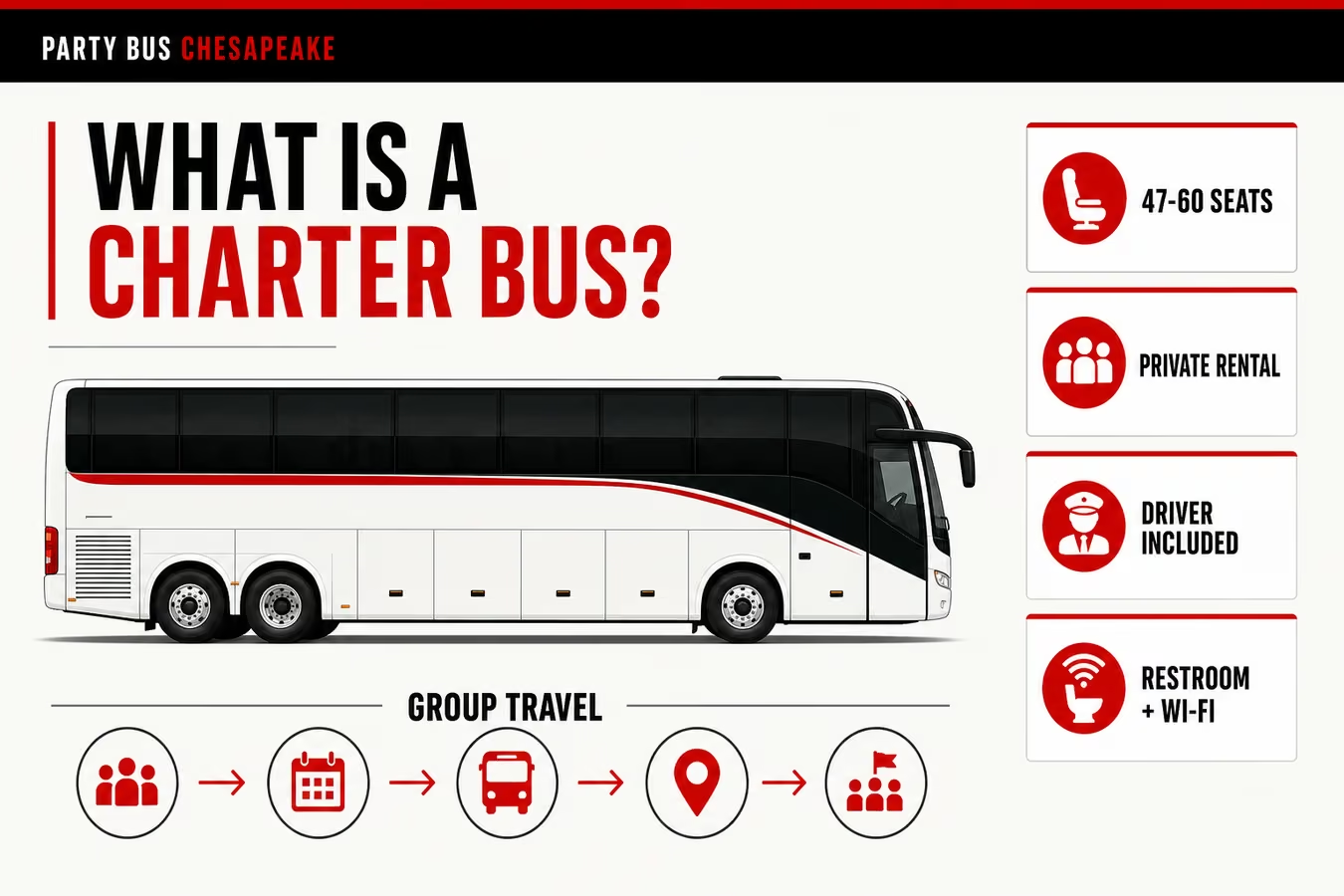
A full-size charter bus seats about 56 passengers, though the real-world range runs from roughly 47 to 60 seats depending on how the coach is configured. Step down in size and a minibus holds 15 to 35, a Sprinter van seats up to about 14, and a double-decker motorcoach can carry up to roughly 81 people in a single vehicle. But the number that actually matters isn’t the maximum a bus can hold—it’s which size your group needs.
This guide gives you a headcount-to-vehicle picker, a spec-grounded size ladder built from manufacturer numbers, and a clear answer on luggage, accessibility, and how many buses it takes to move 100 or 200 people. Whether you’re shuttling wedding guests across Hampton Roads or hauling a team down the Chesapeake Expressway, Party Bus Chesapeake has handled it since 2011—call 757-755-8162 for a 30-second all-inclusive quote once you know your number.
The Quick Answer: Charter Bus Seating Capacity at a Glance
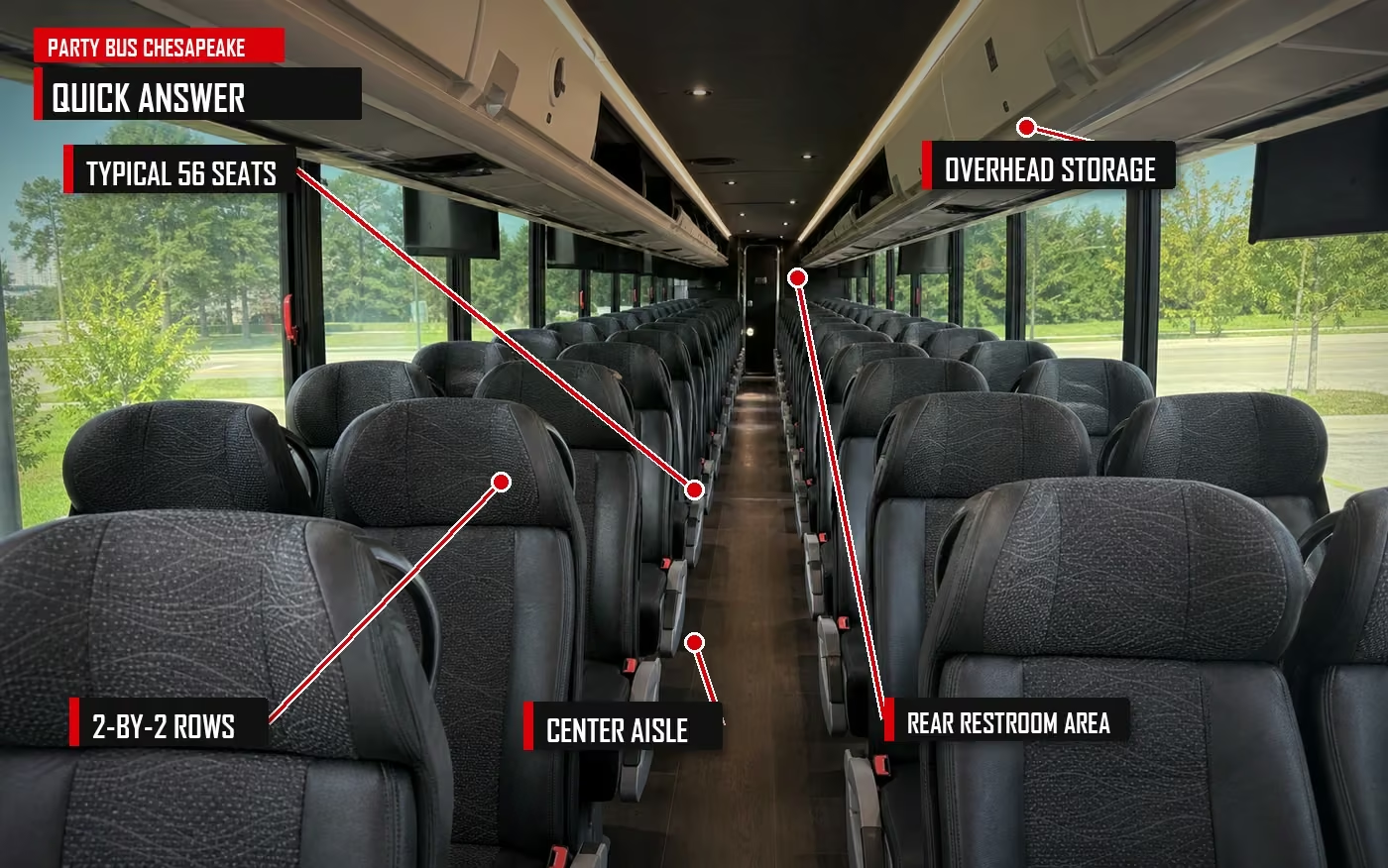
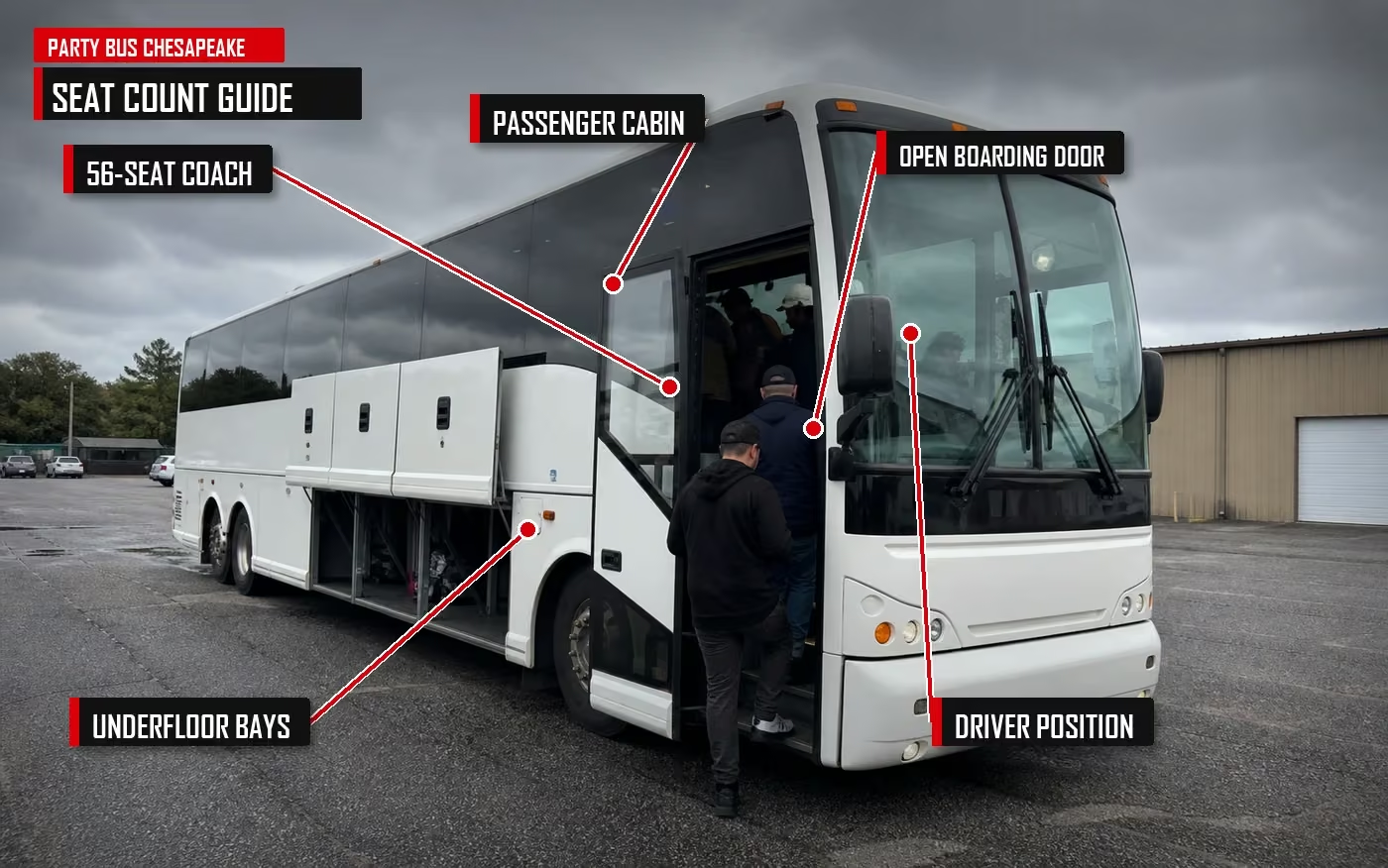
A standard full-size charter bus (also called a motorcoach or coach bus) seats 56 passengers. That’s the industry default, and it’s why “56” is the number you’ll hear most often. The honest range is 47 to 60: legroom-focused layouts drop into the high 40s and low 50s, while a maximum-density floorplan—like the 60-seat MCI J4500—tops out at 60.
A few quick clarifications that trip people up:
- “Coach bus,” “motorcoach,” and “charter bus” mean the same thing. They’re interchangeable terms for the tall, single-deck highway bus with luggage bays underneath.
- Seat counts always refer to passenger seats. When an operator quotes “56,” that’s 56 seats for your group—the count never includes the front operating position.
- Some coaches add one extra seat up front, sometimes called a courier or tour-guide seat, but it’s optional and doesn’t change the headline number.
Charter Bus Sizes: The Full Capacity Ladder
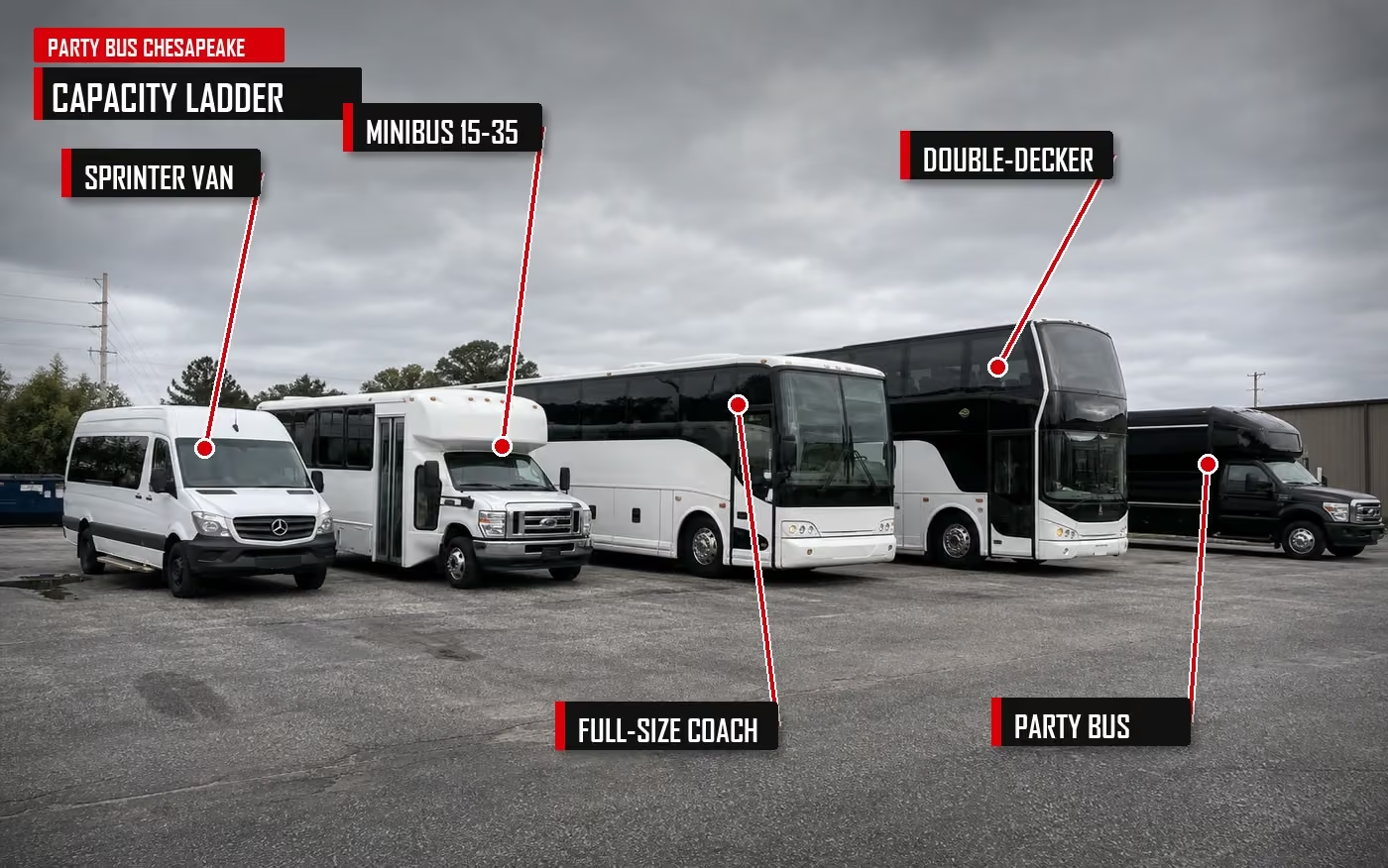
“Charter bus” is an umbrella term. Underneath it sits a whole ladder of vehicle classes, each with its own seat count, footprint, and sweet spot. Here’s the full spread, grounded in real manufacturer specs.
| Vehicle Class | Typical Seating | Approx. Length | Luggage Space | Best For |
|---|---|---|---|---|
| Sprinter van / limo | Up to ~14 | ~24 ft | Light (rear cargo + behind seats) | Airport transfers, executive runs, small bridal parties |
| Minibus | 15–35 | ~25–35 ft | Modest rear or small bay storage | City hops, mid-size groups, quick shuttles |
| Mid-size / midi coach | ~30–40 | ~35 ft | Under-floor bays | “Tweener” groups too big for a minibus, too small for a full coach |
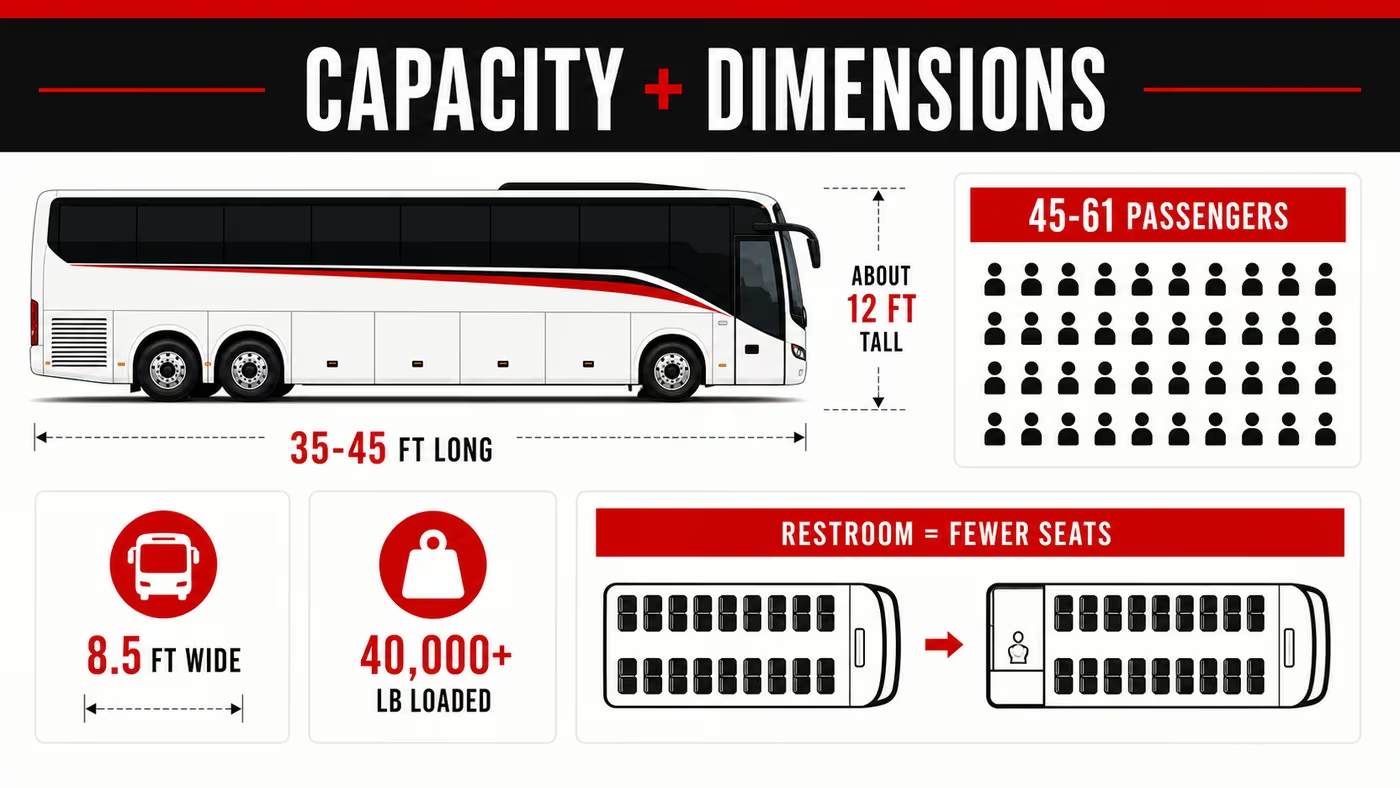
| Full-size motorcoach | 47–60 (~56 typical) | 45 ft, 102 in wide, ~11–12 ft tall | Large bays (~500+ cu ft) | Long-distance trips, large groups, gear-heavy travel |
| Double-decker coach | Up to ~81 | 45 ft, ~13 ft tall | Large bays | Maximum headcount in one vehicle |
| Party bus | ~15–50 (perimeter seating) | Varies widely | Limited | Celebrations where the ride itself is the venue |
Sprinter vans are the small end—up to about 14 riders—and they’re the right call for executive transfers or a tight crew. Minibuses bridge 15 to 35 seats and shine for shorter Hampton Roads hops where a 45-footer would be overkill. Mid-size coaches (think the 35-foot MCI D-Series short body or a Van Hool CX35) fill the 30–40 gap.
Full-size motorcoaches are the workhorses. The two best-selling models in North America—the Prevost H3-45 (standard 56 seats) and the MCI J4500 (up to 60)—both run 45 feet long, 102 inches wide, and roughly 11 to 12 feet tall, with big under-floor luggage bays. Double-deckers like the Van Hool TDX push capacity to 81 in one vehicle, but they stand around 13 feet tall—worth knowing if your route threads under low clearances near the region’s tunnels and bridges.
Party buses break the mold entirely: they use wraparound perimeter seating instead of forward-facing rows, so a “25-passenger party bus” feels different from a 25-seat minibus. Our 15- to 50-passenger party buses come with a built-in bar, color-changing LED lighting, and premium sound—the ride is the destination.
What Size Charter Bus Do I Need? (The Picker)
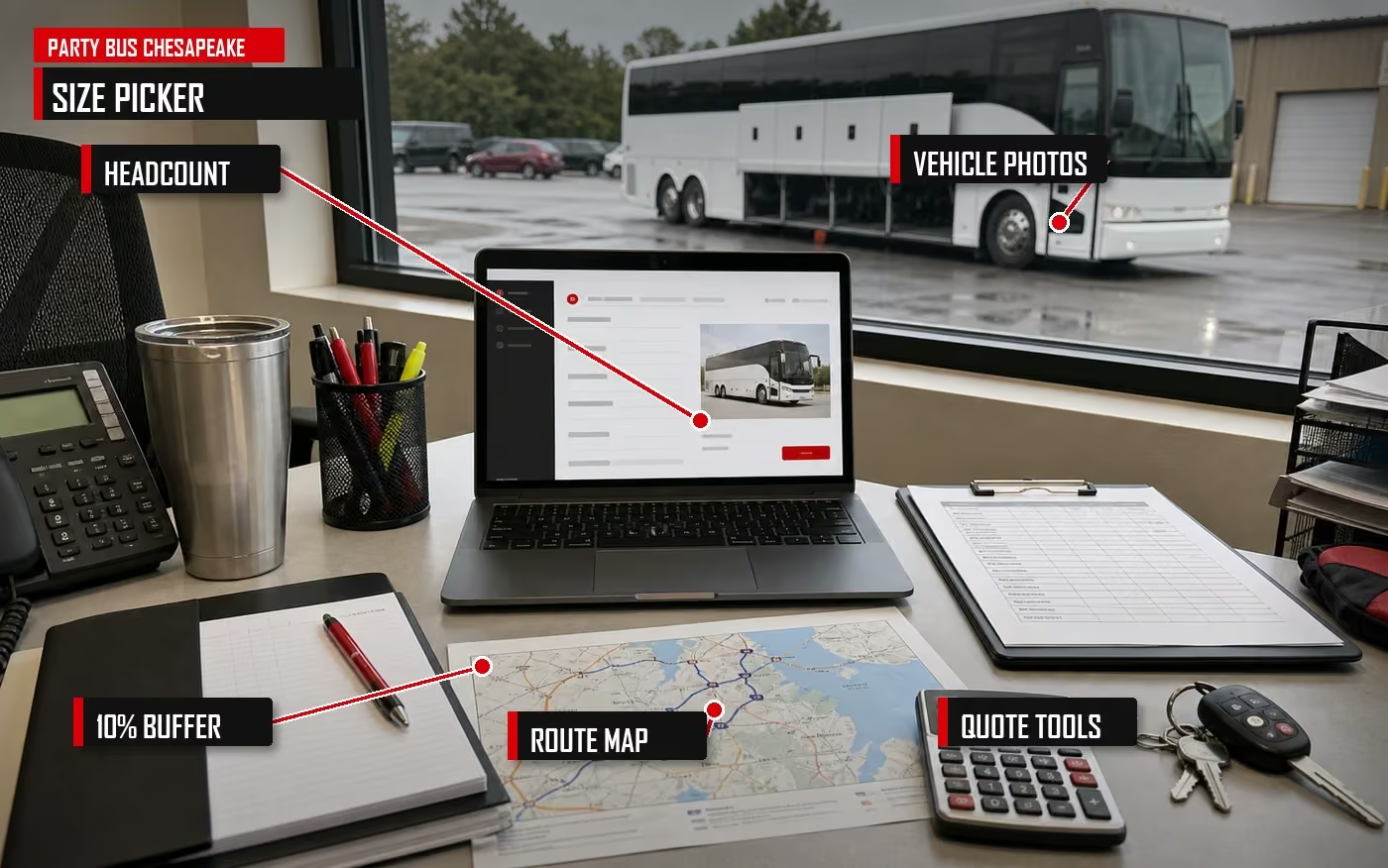
Here’s the part competitors skip. Don’t book to your exact headcount—build in a buffer. Add roughly 10% to your passenger count to absorb extra luggage, comfort room, and the friend who brings a plus-one.
A group of 50 should be sized like a group of 55; a group of 100 like 110.
Match your buffered headcount to a class:
| Your Group Size | Recommended Vehicle | How Many |
|---|---|---|
| Up to 14 | Sprinter van or limo | 1 |
| 15–35 | Minibus | 1 |
| 36–40 | Mid-size coach (or two minibuses) | 1–2 |
| 41–56 | Full-size motorcoach | 1 |
| 57–60 | Max-config 60-seat coach (tight) or one double-decker | 1 |
| 61–81 | Double-decker coach (where available) | 1 |
| ~100 | Full-size motorcoaches | 2 |
| ~150 | Full-size motorcoaches | 3 |
| ~200 | Full-size motorcoaches | 4 |
The multi-bus math is simple once you apply the buffer. 100 people = two 56-seat coaches (112 seats, comfortable). 150 people = three coaches.
200 people = four coaches, or a mix of double-deckers if you want fewer vehicles on the road. There’s a difference between maximum capacity (every seat full) and comfortable capacity (room to spread out on a long haul), and the buffer is what keeps you in the comfortable zone.
Not sure where you land? Tell us your number and we’ll size it for you—Party Bus Chesapeake’ reservation team is on the line 24/7 at 757-755-8162.
What Changes the Seat Count: Luggage, Amenities & Configuration
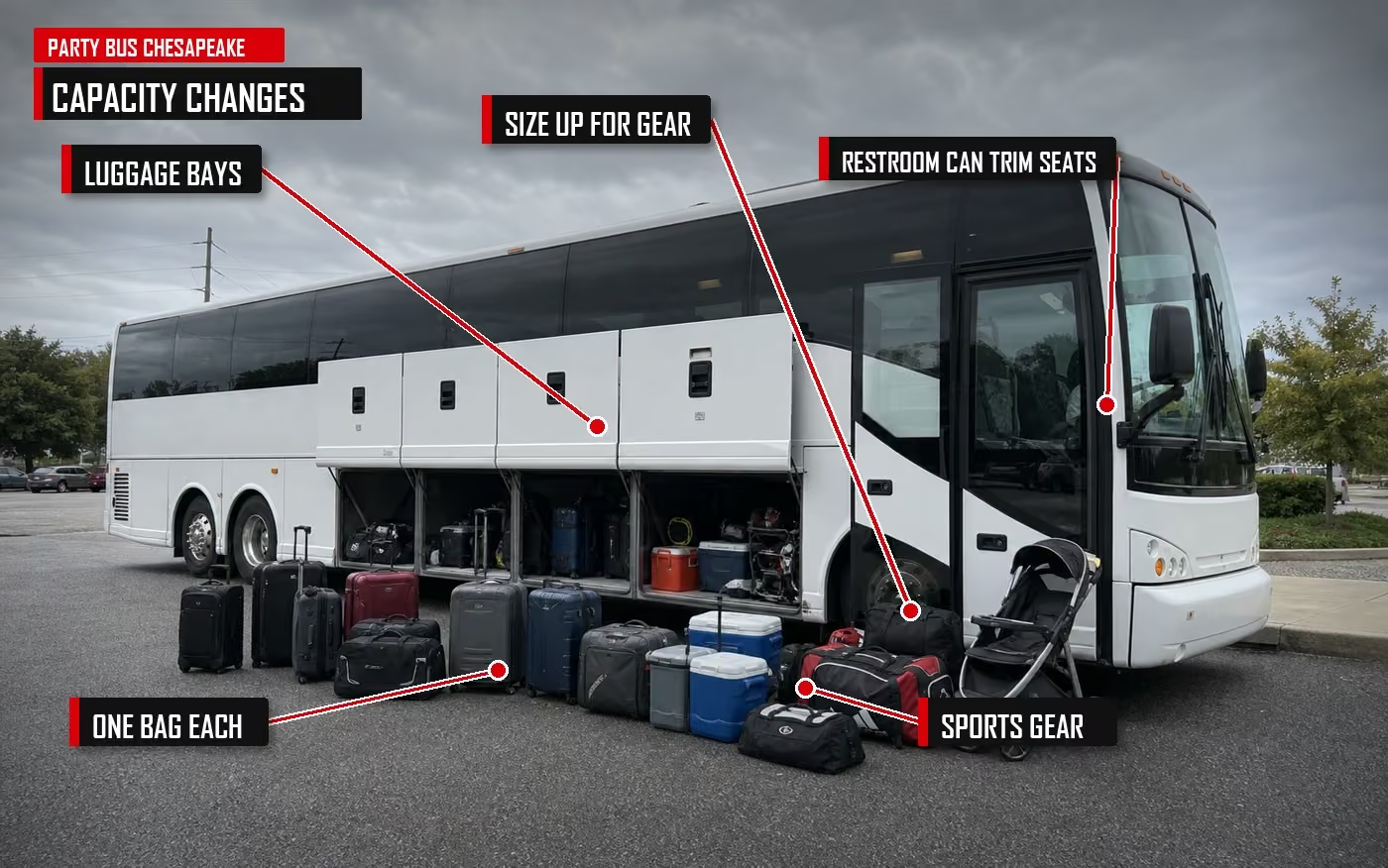
That “56” is a starting point, not a fixed law. Several real-world factors push the number up or down on the same 45-foot shell:
- Onboard restroom: A lavatory eats the rear corner of the cabin, trimming a few seats.
- Premium recline / extra legroom layouts: Stretching seat pitch for comfort drops capacity into the low 50s or high 40s.
- Luggage rule of thumb: Budget about one checked bag per passenger in the under-floor bays. A full-size coach’s bays hold 500-plus cubic feet, but a packed long-haul group with suitcases, strollers, and coolers can fill them fast—when in doubt, size up.
- Gear-heavy groups: Sports teams and bands are the classic case. A 20-player roster traveling with pads, instruments, or equipment may need a 56-seat coach not for the seats, but for the storage. People plus gear changes the math.
The takeaway: if your trip is long, luggage-heavy, or gear-loaded, don’t cut the bus size to the bone. The extra capacity buys you breathing room.
Accessible & ADA Charter Bus Capacity
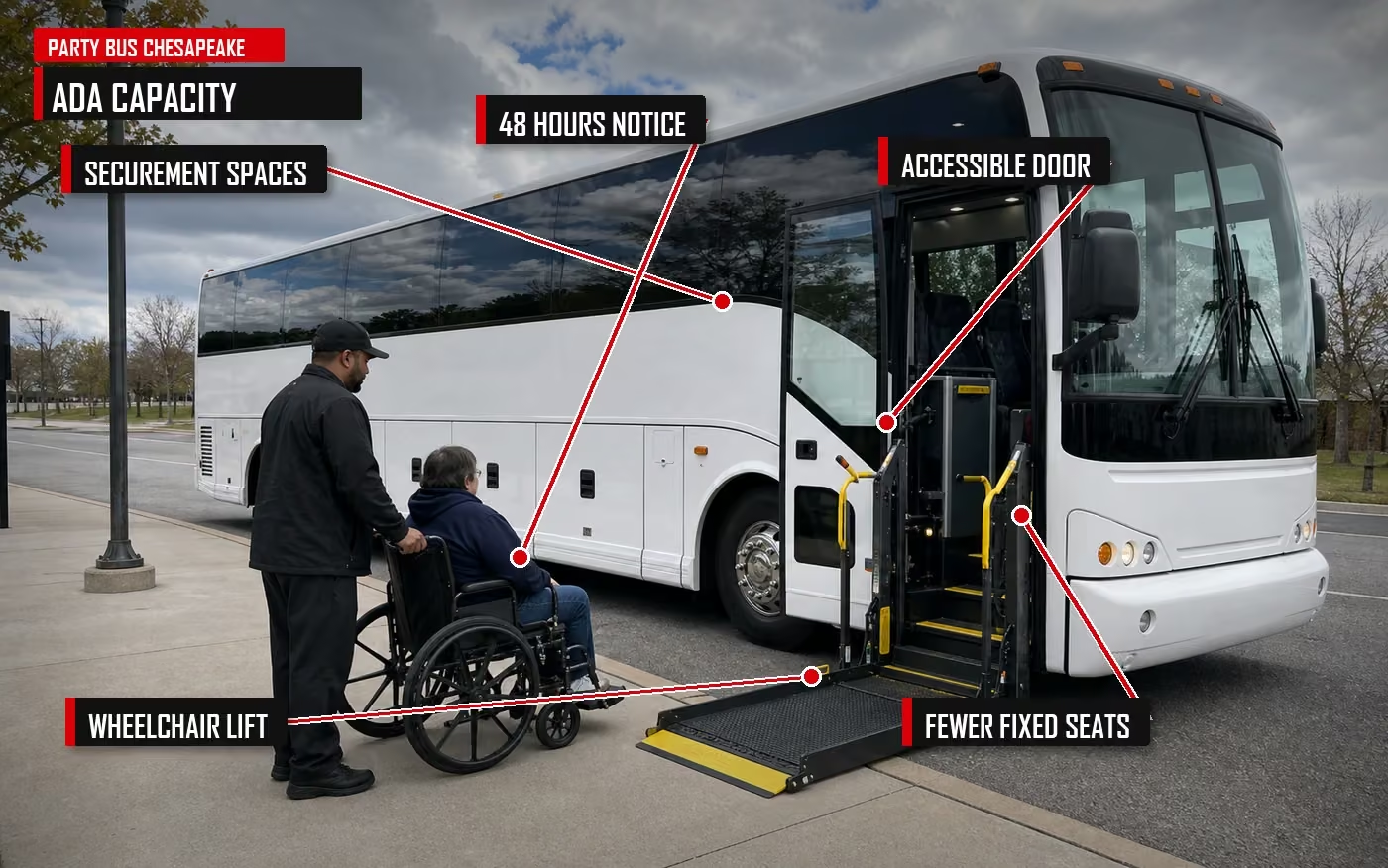
This is the section almost no competitor bothers to quantify—and it matters if your group includes a wheelchair user. Under the U.S. Department of Transportation’s ADA regulations (49 CFR Part 37), demand-responsive operators—charter and tour companies—must provide an accessible bus with at least 48 hours’ advance notice.
So the key step is simple: request the accessible vehicle when you book.
An ADA-equipped coach uses a wheelchair lift (minimum 600-lb load rating, sized to fit a 30″ × 48″ mobility device) and securement positions onboard. Per DOT ADA rules, vehicles over 22 feet long are built to secure at least two wheelchairs.
Here’s the capacity tradeoff, since each securement position replaces a section of fixed seats (typically around four):
| Base Coach | Wheelchair Positions | Approx. Fixed Seats Remaining |
|---|---|---|
| 56-passenger motorcoach | 0 | 56 |
| 56-passenger motorcoach | 1 | ~52 + 1 wheelchair space |
| 56-passenger motorcoach | 2 | ~48 + 2 wheelchair spaces |
These are estimates—exact numbers vary by floorplan—but the rule holds: every wheelchair position you add subtracts a small block of standard seats, so factor that into your headcount. Party Bus Chesapeake arranges ADA-accessible vehicles at no extra charge; just give us that 48-hour heads-up.
Capacity by Use Case Around Chesapeake & Hampton Roads
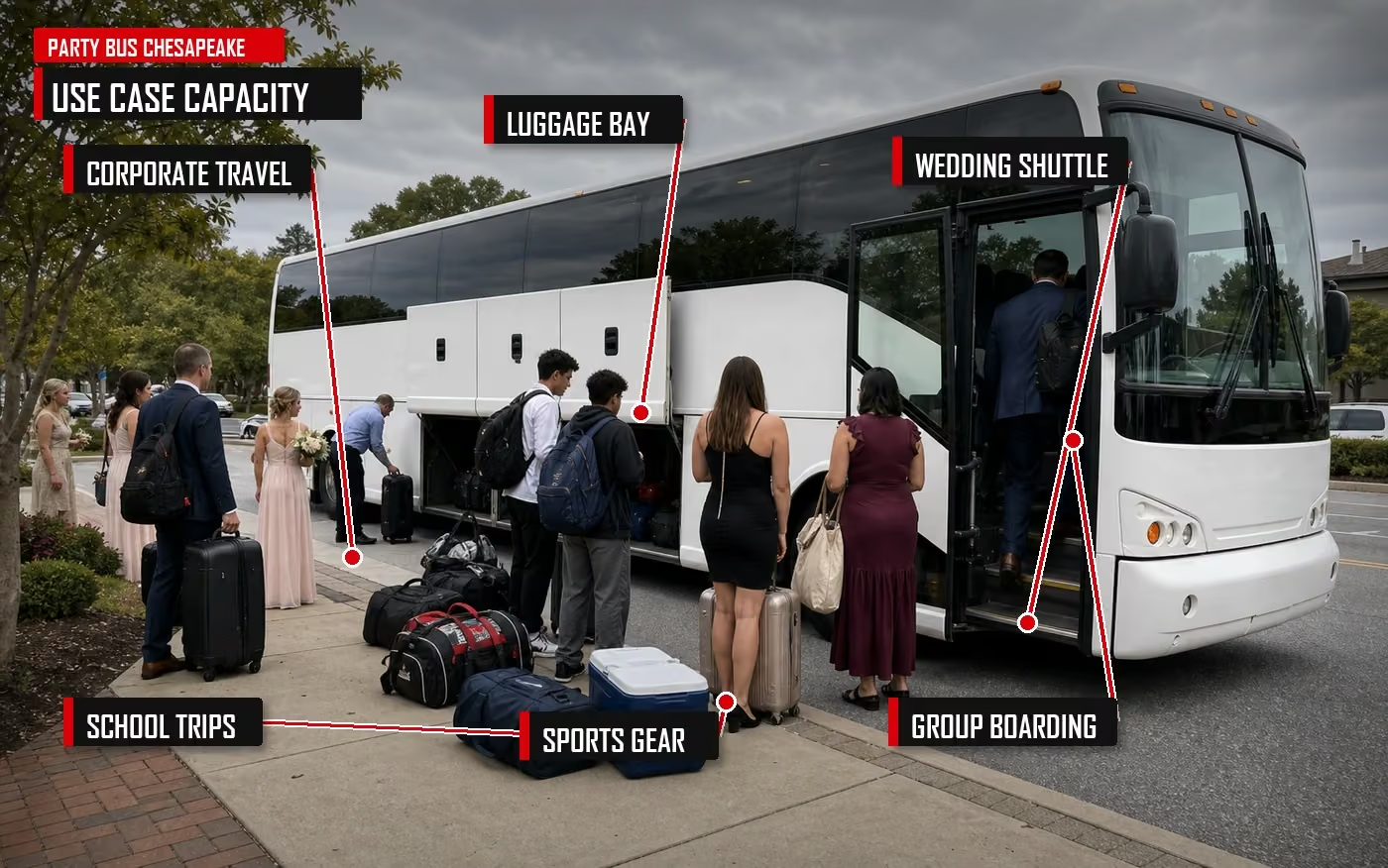
Headcount tells you the size; the occasion tells you the type. A few common scenarios:
- Weddings: Guest shuttles are about volume—one or two full-size coaches loop hotels to a venue and back, while a 14-passenger Sprinter limo carries the bridal party. A Chesapeake wedding shuttle keeps everyone together across the seven cities without anyone hunting for parking near the venue.
- Corporate & conventions: For corporate group travel to meetings around Greenbrier or downtown Norfolk, a 56-seat coach moves a department in one trip; a Sprinter van handles VIP client transfers.
- School field trips: Count students plus chaperones, then add the buffer. A full grade level fits a pair of 56-seat coaches headed to the Virginia Aquarium in Virginia Beach or Nauticus in Norfolk through our school group transportation.
- Sports teams: Players plus gear. A 20-player roster often books a full-size coach for the luggage bays, not the seat count—ideal for away games down the Chesapeake Expressway corridor.
- Senior & accessible groups: Use the ADA section above to plan around securement positions, and request the accessible coach early.
How Much Does That Bus Cost?
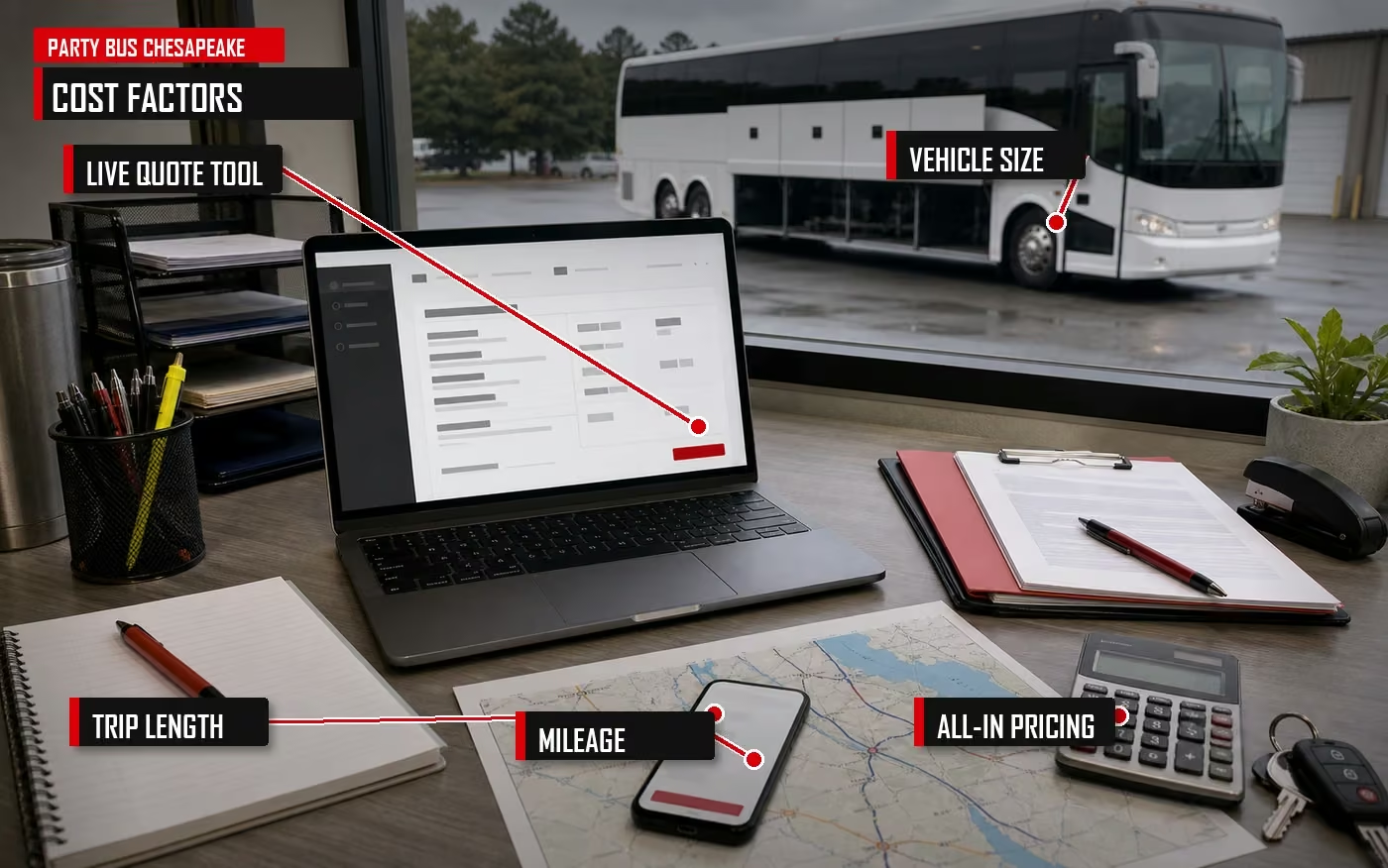
Capacity is the single biggest lever on price—bigger vehicle, more to book—but distance, trip length, and time of year all factor in too. Rather than guess, get the real number for your exact group and route. Take a look at our Chesapeake party bus and charter bus pricing, then call 757-755-8162 or use the 30-second online quote tool for live, all-inclusive pricing with vehicle pictures.
Frequently Asked Questions About Charter Bus Capacity
Is a coach bus the same as a charter bus?
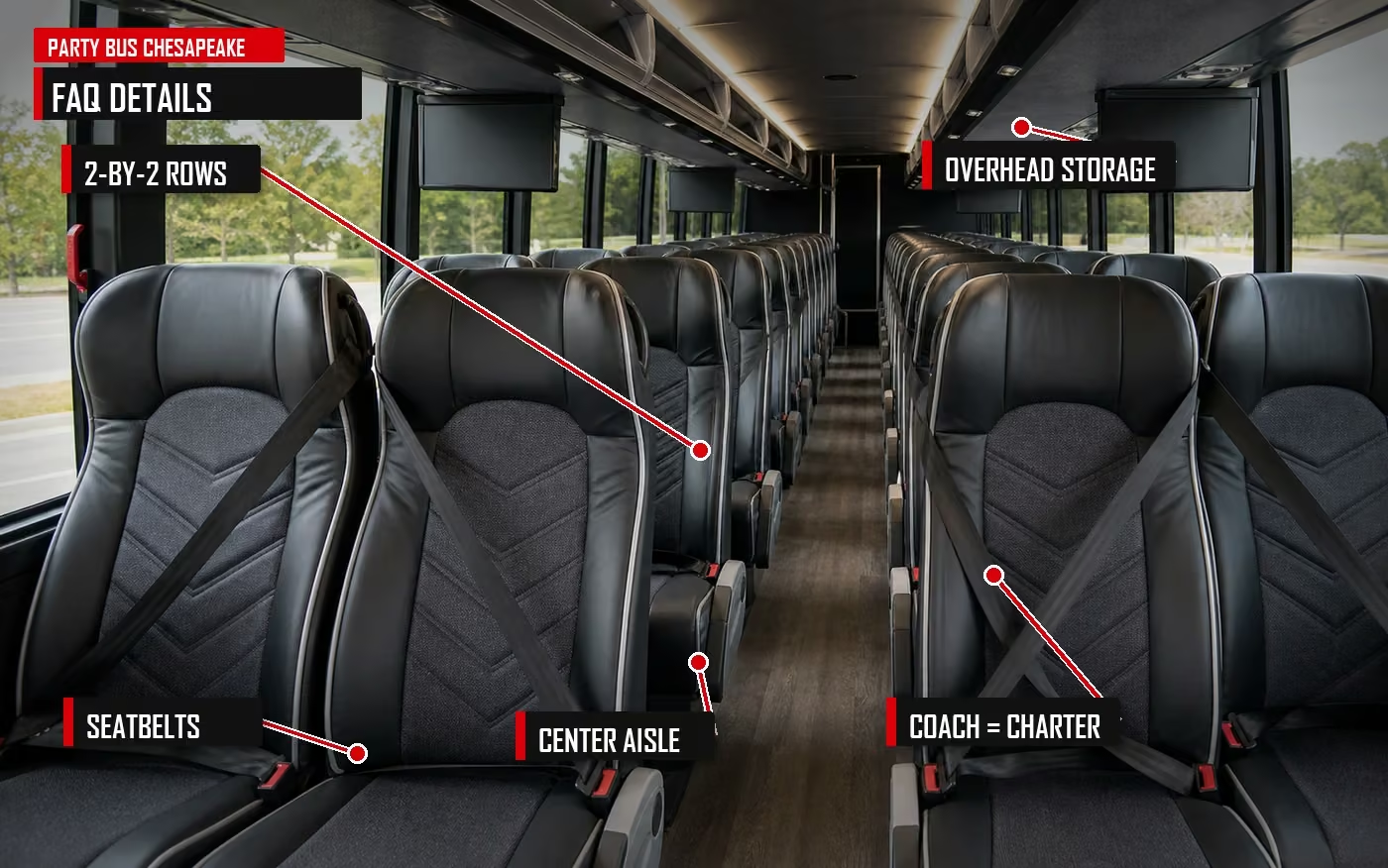
Yes. “Coach bus,” “motorcoach,” and “charter bus” all describe the same tall, single-deck highway bus with under-floor luggage bays. Most seat around 56 passengers.
Do charter buses have seatbelts?
Newer ones do. Under the federal standard FMVSS No. 208—stemming from the Motorcoach Enhanced Safety Act of 2012—all new over-the-road buses must have lap-and-shoulder belts at every passenger seating position.
How many seats are on a coach bus for a school field trip?
A full-size coach seats about 56, which comfortably covers a class plus chaperones. For a smaller group, a 15- to 35-passenger minibus is the right fit. Always count adults and students, then add a 10% buffer.
How many buses do I need for 100 people?
Two full-size 56-seat motorcoaches. That gives you 112 seats—enough for 100 riders plus luggage and comfort room. For 200 people, plan on four coaches.
How much room does each passenger get?
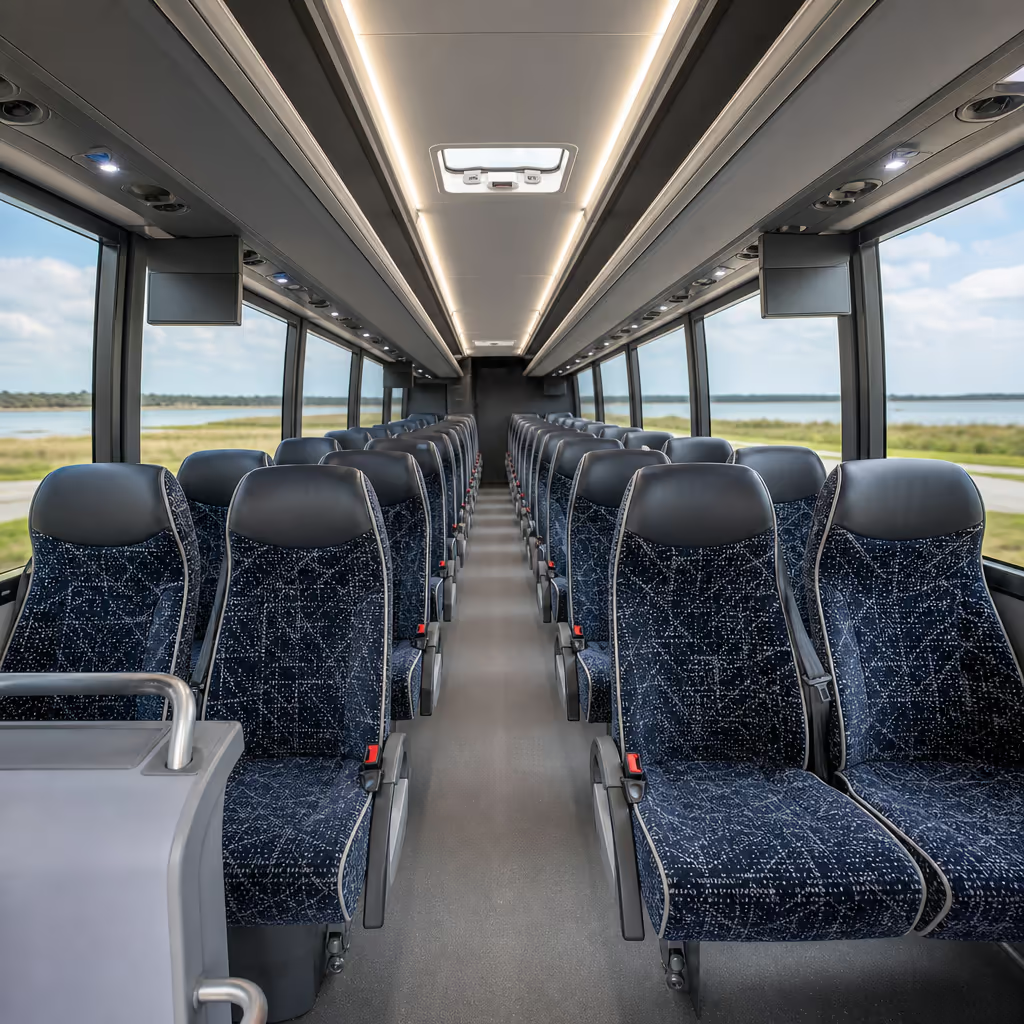
On a standard 45-foot, 102-inch-wide coach, seats are arranged 2-by-2 down both sides. Premium-recline layouts trade a few seats for noticeably more legroom, dropping capacity from ~56 toward the high 40s.
What about sleeper or entertainer coaches?
Those are specialty conversions—the same 45-foot shell rebuilt with bunks and lounges for touring musicians—so seated capacity is far lower than a standard 56-passenger coach. They’re a different product than a group charter bus.
Find the Right Size, Then Get Rolling
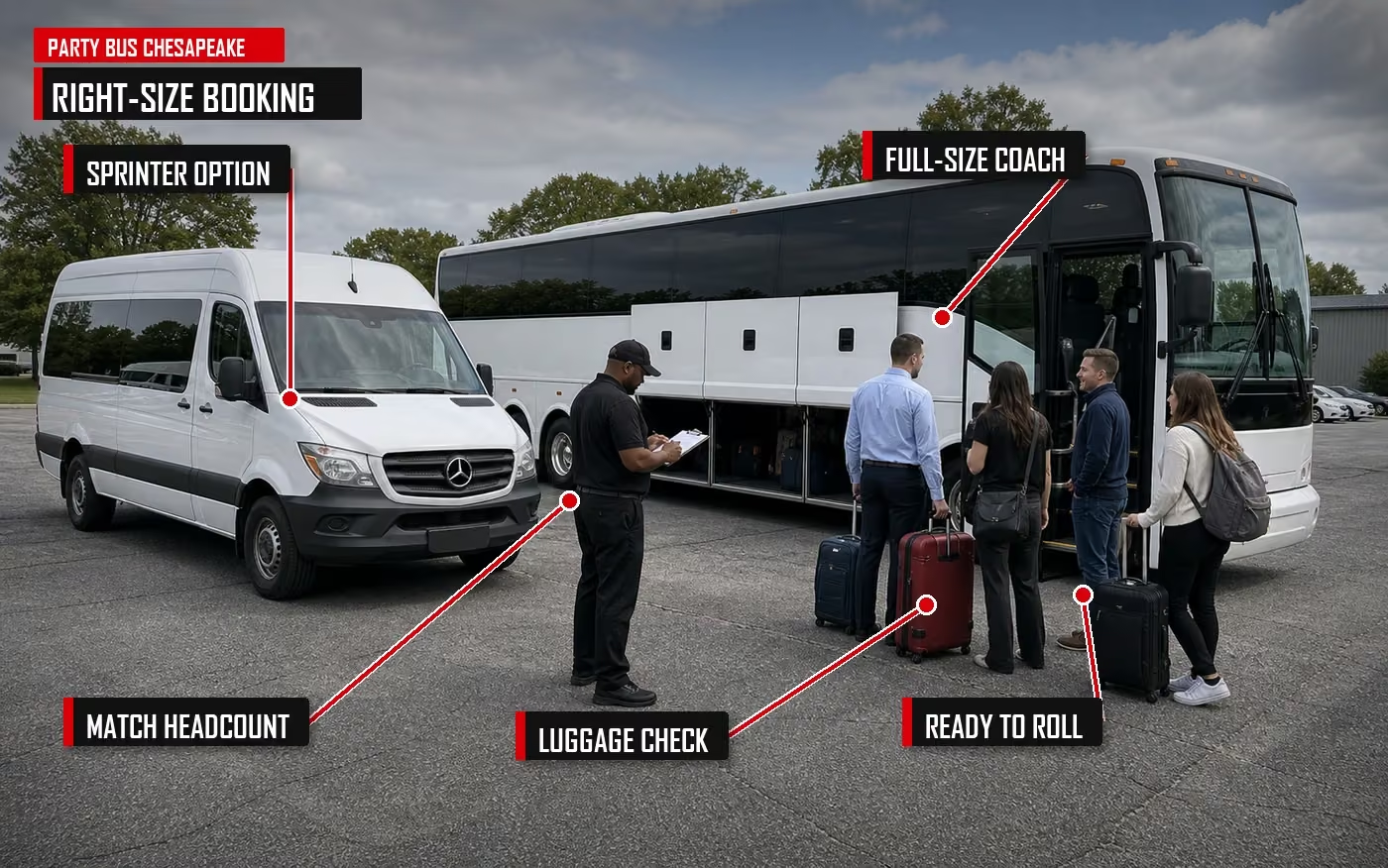
The right bus comes down to three things: your headcount, a 10% buffer, and your luggage or accessibility needs. A full-size motorcoach at about 56 seats is the default answer, minibuses cover 15 to 35, and double-deckers stretch to roughly 81 when you need maximum capacity in one vehicle. Use the picker above to land on the exact class—then let us confirm it.
Party Bus Chesapeake has coordinated group trips across Chesapeake and all of Hampton Roads since 2011, with a large regional fleet, 24/7/365 reservations, and live pricing in under 30 seconds. Know your number. Call 757-755-8162 for a free, all-inclusive quote and we’ll match you to the right-size bus.